
ZoBio: Expert Q&A
Why hit quality, not hit volume, determines whether discovery programs progress
DNA-encoded libraries (DELs) have transformed hit identification by enabling researchers to screen billions of compounds against difficult biological targets. But generating hits is only part of the challenge.
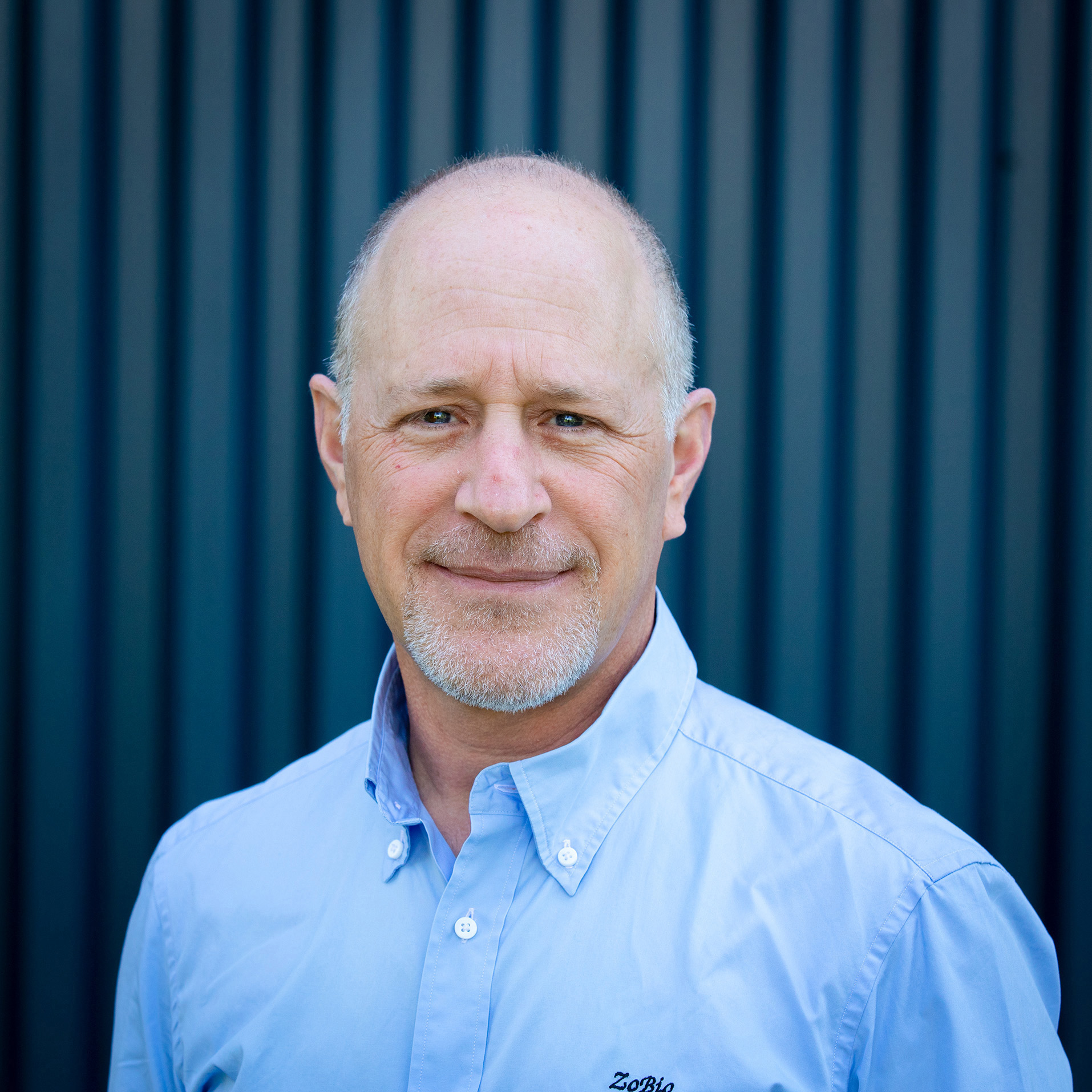
In this Q&A, ZoBio’s Chief Executive Officer, Gregg Siegal, discusses why integrated workflows, structural biology, and scientific collaboration are becoming increasingly important for successful early discovery programs, particularly when targeting difficult biology.
July 6, 2026
1. DEL screening has become increasingly common across drug discovery. What differentiates a successful DEL campaign today?
The size of the library is no longer the differentiator, especially since many organizations can access very large DEL collections. What matters now is whether you can confidently validate and progress the hits that emerge from those screens.
For difficult targets, simply generating hit matter is not enough. You need to understand how compounds bind, as well as whether the binding is biologically meaningful, the chemistry is tractable and the hits support the desired mechanism of action.
This requires integration across protein science, assay design, biophysics and structural biology, not just the sequencing output from a selection experiment.
2. Why are today’s targets more challenging than those pursued historically?
In the past, many small-molecule discovery programs focused on enzymes and other targets with well-defined binding pockets. These pockets are naturally suited to binding small molecules, making them more accessible to conventional screening approaches.
Today, many programs are pursuing more challenging biology. This includes protein-protein interactions and targets that have been validated by biologics but remain difficult to address with small molecules.
These targets are often less ligandable. Instead of deep, well-defined pockets, they may present shallow grooves, flexible surfaces or highly charged interfaces that conventional small molecules struggle to engage effectively. As a result, many standard screening approaches, particularly conventional high-throughput screening, are less effective. That’s why alternative hit discovery approaches such as DELs, fragment screening, and covalent chemistry have become increasingly important.
3. ZoBio describes its DEL offering as “library-agnostic.” What does that mean in practice?
"Library-agnostic" means the science drives the decision, not the asset.
Rather than being tied to a proprietary collection, we focus on what actually determines whether a DEL screen succeeds: selecting the right conditions, ensuring protein quality, designing the assay correctly, and validating outputs rigorously. The library is just one input, and whether that's a commercially available collection or something a client brings themselves, the strategic and scientific framework around it stays the same. For clients, that means the recommendation is always based on what's right for the target, not what ZoBio happens to own.
4. Why is structural biology so important in DEL hit discovery?
Ultimately, what most clients really need is confidence. If you can show not only that a compound binds, but exactly how it binds, atom by atom, you dramatically reduce downstream risk. Structural information enables much better medicinal chemistry decisions, faster design-make-test-analyse cycles and stronger investment confidence internally. That’s why we integrate X-ray crystallography and orthogonal validation directly into the workflow, rather than treating them as optional follow-on activities.
5. You often use the phrase “progressible hits.” Why is that distinction important?
Not all hits are equal. For exploratory targets in particular, drug discovery companies need to establish very early whether there is a viable path forward, not identify large numbers of potentially risky or poorly understood hits. A weakly validated hit with poor mechanistic understanding can consume enormous resources downstream before ultimately failing. For clients, that's the difference between a screen that saves time and one that silently costs it, sometimes by years, and at significant program expense.
Progressible hits are hits that have drug-like chemistry, already have been validated biologically and structurally and are supported by robust data. That gives discovery teams a much stronger starting point.
In practice, that means faster go/no-go decisions, fewer resources spent chasing dead ends, and a clearer path to program progression rather than spending months downstream discovering the hit was never solid to begin with.
6. Where do you see integrated hit discovery heading over the next few years?
The industry is increasingly recognizing that difficult biology requires integrated scientific problem-solving rather than purely transactional services. The most successful programs will combine multiple hit discovery modalities, including DELs, fragments, covalent chemistry and structural biology, guided by a deep understanding of the target and desired mechanism of action.
That’s where collaborative, scientifically driven CRO partnerships become particularly valuable. The targets that matter most, the ones that have resisted previous attempts, rarely yield to a single technique or a hands-off service model. They need a team that's genuinely invested in the problem, willing to have the difficult scientific conversations, and able to adapt the approach as understanding of the target evolves. That kind of partnership feels less like outsourcing and more like extending your own discovery team.