
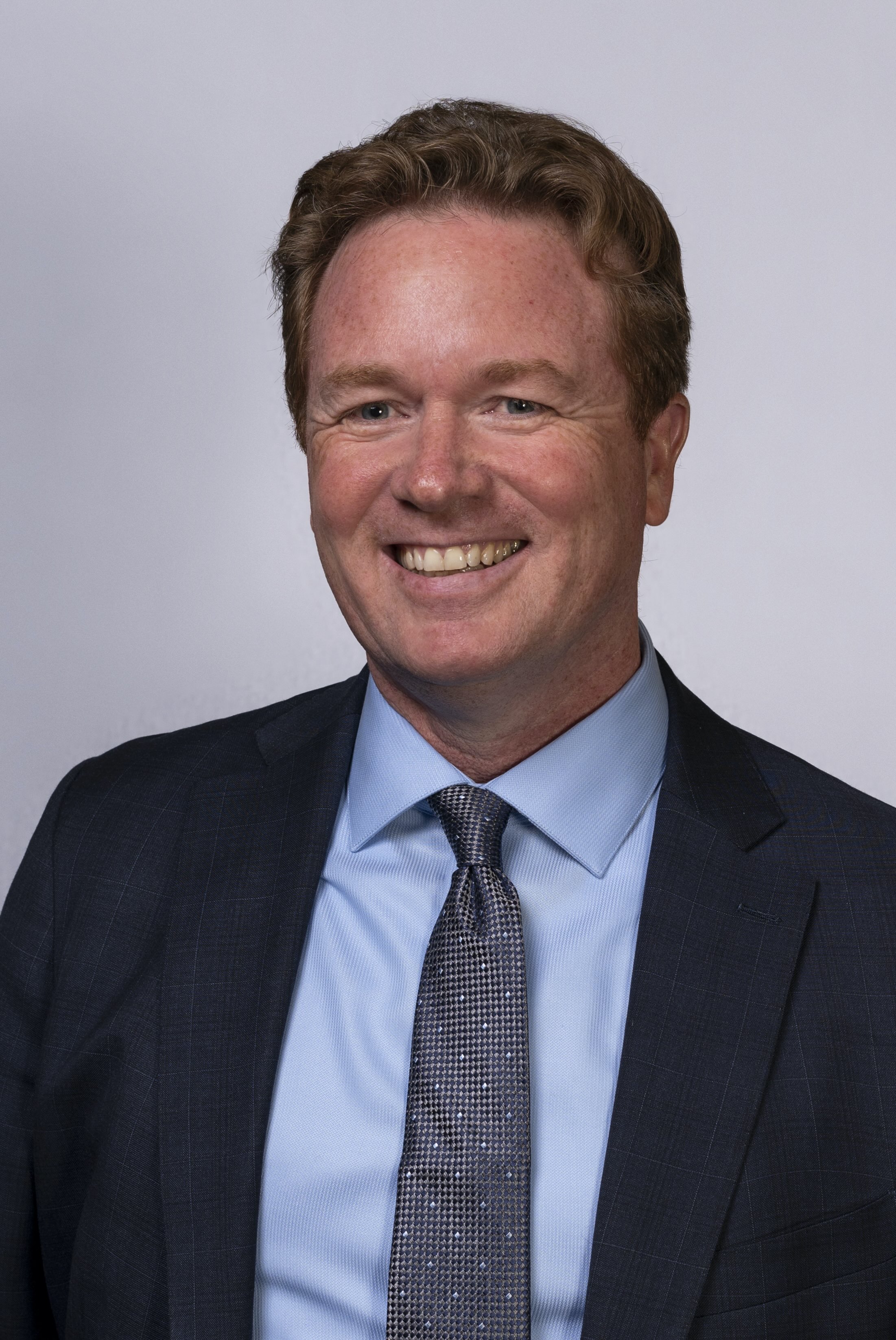
Joseph Tucker, Ph.D., CEO & Director, Enveric Biosciences
Joseph Tucker, Ph.D., is the CEO and a Director of Enveric Biosciences (NASDAQ: ENVB), a Cambridge, Massachusetts-based biotechnology company developing next-generation small-molecule neuroplastogens for psychiatric and neurological disorders. A serial biotech founder, Tucker previously co-founded and led Stem Cell Therapeutics — which was acquired by Trillium Therapeutics — and co-founded Epimeron, which became the basis of Willow Biosciences. He holds a Ph.D. in Biochemistry and Molecular Biology from the University of Calgary.
In this Q&A, Tucker explains what set Enveric apart from the first wave of psychedelic biotech companies: rather than rushing traditional molecules into the clinic, the team chose to do the harder medicinal chemistry work — designing non-hallucinogenic compounds that might deliver the therapeutic benefits of psychedelic-inspired pharmacology without the practical barriers that limit scalability. He discusses the science behind EB-003, Enveric's lead candidate; the company's path toward an IND and first-in-human trial; how Cambridge's life sciences ecosystem supports that mission; and why he believes the convergence of scientific rigor and growing policy recognition makes this a genuine inflection point for neuropsychiatric medicine.
July 20, 2026
Your Story
Q1. What was the defining moment that led you to start Enveric Biosciences?
In late 2019 and early 2020, an investor I knew from a previous biotech asked for my perspective on the emerging wave of psychedelic biotech companies — specifically whether they represented compelling investments. After evaluating the landscape, I concluded that most of the industry was focused on advancing traditional psychedelic molecules into the clinic as quickly as possible, rather than doing the harder scientific work of improving those molecules through medicinal chemistry to enhance efficacy, reduce side effects, strengthen manufacturability, and build more defensible intellectual property positions.
I also believed the industry was underestimating the long-term challenges associated with hallucinogenic therapies — the side-effect burden, historical stigma, and the need for clinical oversight — all of which could limit scalability and broad adoption. When I shared those concerns, the investor challenged me to pursue what I believed was the better path. Together with my scientific co-founders, that conversation led to the founding of Enveric Biosciences, with that same investor becoming our first backer.
Q2. In plain terms, what does Enveric do — and what changes for patients if you succeed?
We are developing novel small-molecule therapeutics that promote neuroplasticity — the brain's ability to rewire and adapt — without causing hallucinogenic effects. Our lead candidate, EB-003, is designed to promote adaptive rewiring of brain circuits while stabilizing emotional and behavioral regulation. The goal is durable recovery in patients with post-traumatic stress disorder, treatment-resistant depression, and generalized anxiety.
The key distinction is that EB-003 aims to deliver the therapeutic promise of psychedelic-inspired medicines in a form that patients can take as an outpatient, without supervised dosing sessions or the disorienting experiences that limit who can access current psychedelic treatments. If we succeed, we believe that combination — efficacy, safety, and accessibility — could meaningfully expand treatment options for patients who have not responded to existing therapies.
The Science & The Strategy
Q3. What sets Enveric's approach apart from others in the neuroplastogen space?
The most important differentiator is that we are designing novel small molecules from the ground up for real-world therapeutic use, rather than reformulating traditional psychedelic compounds. EB-003 is a non-hallucinogenic neuroplastogen — it is built to promote adaptive neuroplasticity without the hallucinogenic experience, supervised dosing requirements, or complex treatment infrastructure that accompany classical psychedelic therapies.
From a scientific standpoint, EB-003 is also distinguished by its dual mechanism of action, selectively engaging both 5-HT2A and 5-HT1B receptors. We believe that profile may enable fast-acting and durable antidepressant and anxiolytic effects while supporting outpatient convenience — a combination no approved therapy currently offers in this class.
Beyond EB-003, our intellectual property estate gives us a growing library of novel, protected chemical structures. That foundation supports multiple future development opportunities and creates durable competitive value in a field where many companies lack defensible IP.
Q4. What has been your most important milestone to date, and what comes next?
Over the past several months, our focus has been on advancing EB-003 toward clinical readiness across multiple fronts simultaneously. We generated encouraging preclinical data in models of depression, despair, and PTSD; completed important chemistry, manufacturing, and controls work; produced EB-003 drug substance to support IND-enabling activities; and received FDA feedback that we believe supports our path toward an IND submission. We also strengthened our intellectual property position, including the successful withdrawal of a post-grant review petition against one of our issued U.S. patents — an important outcome, since IP is a core value driver for any company developing novel molecules in this space.
The next major milestone is advancing EB-003 through the IND process and into a first-in-human Phase 1 clinical trial. From both a scientific and investor perspective, that is a significant inflection point — the moment where preclinical promise begins to be tested in human beings.
Q5. What is the biggest challenge you are facing right now, and how are you tackling it?
The biggest challenge is also the biggest opportunity: translating the promise of psychedelic-inspired science into a practical, scalable, FDA-reviewable medicine. There is significant enthusiasm around neuroplastogens, including at the policy level, but enthusiasm alone is not enough. The field has to answer difficult questions around mechanism, durability of effect, safety, trial design, manufacturability, and commercial practicality.
Our response to that challenge is deliberate: we are focused on small molecules with defined pharmacology, a clear regulatory development path, and the potential to fit into the existing healthcare system. That means doing the rigorous scientific and operational work that many companies in this space have been slower to prioritize — because we believe that discipline is ultimately what will determine which programs succeed.
Q6. What has surprised you most about leading a company in this space?
What has surprised me most is how much of the CEO role comes down to alignment. The science always leads, but in biotech the CEO has to align many different constituencies simultaneously — scientists, regulators, investors, collaborators, advisors, employees, and ultimately patients. Each group views the company through a different lens, but they all need to understand the same core vision: what we are building, why it matters, and how we plan to get there.
That is especially true in an emerging field like neuroplastogens. There is genuine excitement, but there is also real skepticism — and rightfully so, given how much early enthusiasm in psychedelics has outpaced the data. The job is to communicate clearly, stay grounded in what the science actually shows, and keep the company focused on milestones that matter. I believe that is what Enveric is doing.
Q7. Where do you see Enveric in three years, and what has to go right?
In three years, we expect Enveric to be a clinical-stage neuroplastogen company with human data for EB-003 and a broader pipeline of protected small-molecule candidates advancing behind it. The immediate priority is completing IND-enabling work, getting EB-003 into the clinic, and generating early human safety and pharmacology data that support continued development. That would be a major value-creating milestone for the company and would help validate our broader approach to non-hallucinogenic neuroplastogens.
Longer term, we believe EB-003 has the potential to become a foundational asset in difficult-to-treat mental health conditions, including PTSD, treatment-resistant depression, and anxiety. We also see significant strategic value in our intellectual property estate and discovery platform, which could support additional programs, partnerships, or licensing opportunities. For all of that to materialize, we need to execute cleanly on the IND, keep building the evidentiary foundation, and continue strengthening our IP position.
Q8. What gives you optimism about the future of neuropsychiatric medicine — and what still worries you?
What gives me the most optimism is that the unmet need is undeniable. PTSD, depression, anxiety, and addiction remain areas where current therapies fall short for enormous numbers of patients. There is also growing recognition — including from policymakers — that psychedelic-inspired medicines may have an important role to play, and the recent Executive Order signals that this field is being taken seriously without lowering the scientific bar. That is exactly the right balance.
What still concerns me is the gap between excitement and evidence. The field has attracted significant attention, and some of that enthusiasm has run well ahead of the data. The companies that ultimately succeed will be the ones with rigorous science, clear mechanisms, and development strategies built for real-world regulatory and commercial use. At Enveric, we believe we are on the right track with EB-003 — but we know the data will be the final arbiter, and we respect that.
About The Big4Bio CEO Weekly Q&A
Every Monday, Big4Bio spotlights a life sciences CEO from one of our eight coverage regions — Boston, San Francisco Bay Area, San Diego, Philadelphia, New York City, the Capital Region, Los Angeles, and Seattle. Each feature is promoted across all eight Big4Bio daily newsletters, reaching 30,000+ life sciences professionals. CEO participation is complimentary and editorial — every CEO approves the final Q&A before publication.
Are you a life sciences CEO or do you represent one? Contact Big4Bio editor Marie Daghlian at marie@big4bio.com to be considered for an upcoming feature.