
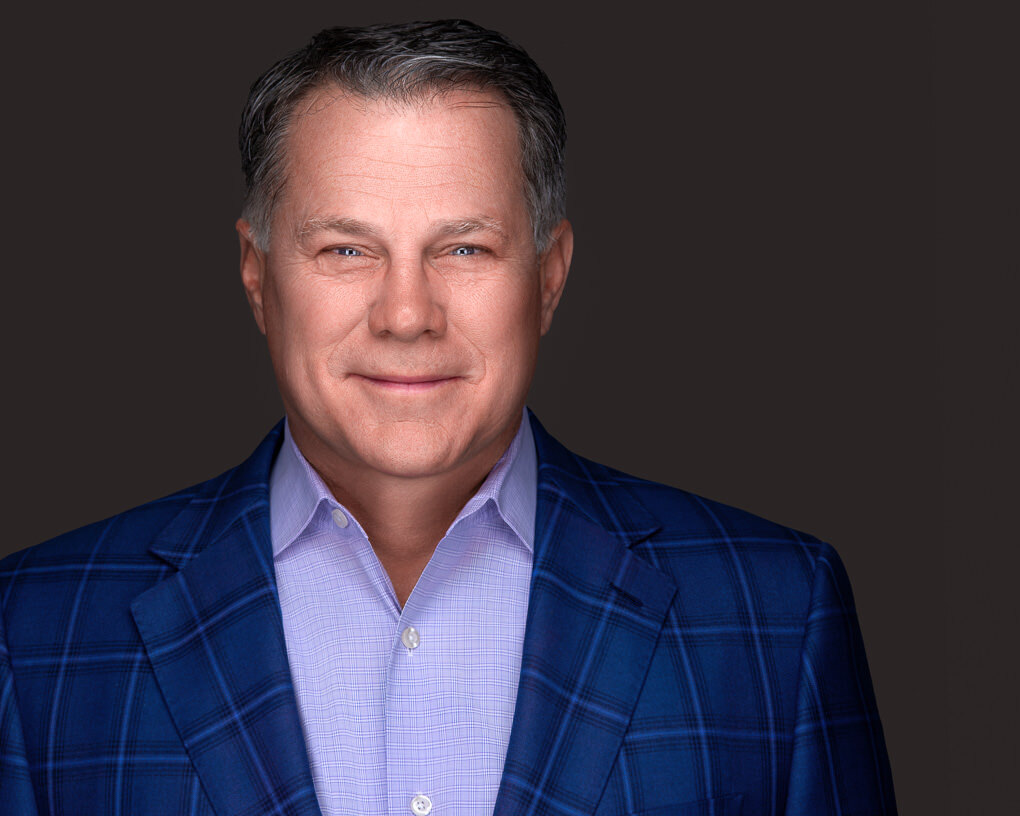
Joseph Truitt, MBA CEO and Board Director, iECURE Inc.
Joseph Truitt, MBA, is CEO and a board director of iECURE Inc., a clinical-stage genome editing company based in Blue Bell, Pennsylvania, that is developing variant-agnostic, in vivo targeted gene insertion therapies for severe inherited neurometabolic disorders. The company's pipeline addresses ornithine transcarbamylase (OTC) deficiency, citrullinemia type 1 (CTLN1), and phenylketonuria (PKU), each capable of causing severe, often irreversible harm in infancy. Before joining iECURE, Truitt was CEO of BioSpecifics Technologies Corp., acquired by Endo Pharmaceuticals in 2020, and of Achillion Pharmaceuticals. He is currently chairman of the board at Larimar Therapeutics and serves on the board of Code Biotherapeutics.
In this Q&A, Truitt discusses the University of Pennsylvania gene therapy data that convinced him to join iECURE, the company's platform strategy of using the PCSK9 locus as a genomic "landing pad" for multiple pediatric liver diseases, and the early clinical evidence, including RMAT designation from the FDA, that has shaped development of the company's lead candidate, ECUR-506. He also speaks to the ethical weight of developing therapies for infants, the culture he has built at iECURE, and why he believes Philadelphia's biotech ecosystem has been central to the company's progress.
October 5, 2026
Your Story
Q1. What was the defining moment that led you to join iECURE?
When I first saw the in vivo gene insertion data coming out of the University of Pennsylvania's Gene Therapy Program, I felt I was looking at one of those rare moments when a long-standing scientific vision became tangible. The Penn team had inserted a functional donor gene into newborn non-human primates and achieved robust, durable gene expression. What made the data so compelling was what it could mean for infants with severe genetic diseases, where intervening early can make the greatest difference.
The patient need made the opportunity impossible to ignore. Many of the diseases we're pursuing, including ornithine transcarbamylase (OTC) deficiency, cause significant morbidity and mortality. In the most severe forms, infants can suffer irreversible neurological injury, require liver transplantation, or die despite today's standard of care.
For the first time, I believed the science suggested it might be possible to durably address the underlying genetic cause of OTC deficiency, and potentially other severe genetic diseases, in very young patients. What ultimately convinced me to join iECURE was the opportunity to help build a company around a potentially transformative platform and translate that science into therapies for children and families facing devastating diseases.
Q2. In simple terms, what does iECURE do, and why does it matter for patients?
At iECURE, we're developing targeted gene insertion therapies designed to address the underlying genetic cause of severe inherited diseases rather than simply managing their symptoms. In simple terms, we aim to insert a functional copy of a gene into patients whose own gene is missing or not working properly, with the potential to change the course of disease through a one-time treatment.
Our lead program targets ornithine transcarbamylase (OTC) deficiency, the most common urea cycle disorder. Patients with OTC deficiency can't effectively clear ammonia, allowing toxic levels to build up in the bloodstream, which can lead to severe neurological injury, coma, or death, particularly in infants. We're also advancing programs in citrullinemia type 1 (CTLN1) and phenylketonuria (PKU), two other rare inherited metabolic conditions that can have life-altering consequences from the earliest days of life.
Our approach is designed to insert a functional copy of a gene into a defined location in a patient's genome, regardless of the specific disease-causing variant, with the potential to enable durable gene expression as liver cells continue to grow and divide. If successful in OTC deficiency, it could reduce metabolic crises, lessen reliance on intensive lifelong treatments, and, for some patients, reduce the need for liver transplantation, offering families a fundamentally different future than what's possible today.
The Science & The Strategy
Q3. What sets iECURE's platform apart in the genome editing space?
What excites me most about our approach is its potential to address the underlying genetic cause of disease in a way that could provide long-term benefit. Our targeted gene insertion approach places a functional copy of a gene into a specific location in the genome, with the potential to enable durable expression, something we believe is especially important for infants, whose liver cells are actively growing and dividing.
We're also building a platform, not just a single therapy. Our approach inserts therapeutic genes into the PCSK9 locus in liver cells, a well-characterized genomic site that can serve as a landing pad. That creates the opportunity to apply a common platform across multiple severe pediatric liver diseases, rather than developing an entirely new approach for each indication.
Finally, we're pursuing some of the earliest applications of in vivo targeted gene insertion in infants, patients with significant unmet need, where meaningful improvements can have a profound impact on quality of life and long-term outcomes. I believe the combination of a differentiated platform, a focus on severe pediatric diseases with insufficient standard of care, and pioneering clinical experience positions iECURE uniquely within the field.
Q4. What's been the most important milestone in the company's history so far?
Our most important milestone to date has been generating early clinical evidence that our targeted gene insertion approach can meaningfully impact the underlying disease biology. One defining moment was observing a complete clinical response in the first participant treated in our OTC-HOPE study.
While every patient's journey is different and the study remains ongoing, that experience provided early clinical support for the broader concept that targeted gene insertion may have the potential to alter the course of disease in children facing devastating outcomes. Since then, we've reported encouraging preliminary reductions in disease burden across participants, including fewer hyperammonemic crises, one of the key manifestations of OTC deficiency.
Those early findings also contributed to the FDA granting Regenerative Medicine Advanced Therapy (RMAT) designation to ECUR-506, our investigational gene insertion therapy for OTC deficiency, an important regulatory milestone that recognizes both the seriousness of the disease and the therapy's potential. Looking ahead, our focus is on completing dose escalation, identifying the optimal dose, and generating the data needed to further evaluate this approach for children with OTC deficiency.
Q5. What's the biggest challenge in developing a first-in-class therapy like this, and how are you tackling it?
One of the biggest challenges in developing any first-in-class therapy is balancing the potential to deliver meaningful benefit with the responsibility to do so safely. Because we're developing therapies for infants with severe, life-threatening genetic diseases, every decision we make is guided by that balance: identifying the dose that offers the greatest potential benefit while maintaining an appropriate safety profile.
We tackle that challenge through disciplined execution. Groundbreaking science is only the starting point; turning it into a potential therapy requires a great team, close collaboration with investigators and regulators, and a relentless focus on generating high-quality clinical data. By executing efficiently and thoughtfully at every stage, we can make informed decisions, responsibly advance our programs, and work toward bringing new treatment options to patients with significant unmet need.
Q6. What responsibility comes with developing therapies for infants with life-threatening genetic diseases?
Developing therapies for infants with life-threatening genetic diseases carries an enormous responsibility. These are some of the most vulnerable patients in medicine, and their families are often making decisions under incredibly difficult circumstances. That reality shapes every aspect of how we work, from study design and safety monitoring to our interactions with investigators, regulators, and patient communities.
At the same time, these diseases can progress rapidly and cause irreversible harm early in life. We believe we have a responsibility to move carefully, but also a responsibility to move with urgency on behalf of patients who have few or no treatment options. Balancing those priorities is something we think about every day, and it's central to how we develop our therapies.
Leadership & Ecosystem
Q7. What kind of culture have you tried to build at iECURE, and why does it matter for the science?
We've intentionally built a culture centered on high performance, accountability, and purpose. Our core values, courage, accountability, perseverance, and agility, guide how we make decisions and work together every day.
Drug development is one of the ultimate team sports. Success depends on scientists, clinicians, regulatory experts, manufacturing specialists, quality professionals, and business leaders all operating at a high level toward the same goal. The nature of our work demands courage, because we're pursuing innovative therapies for diseases with significant unmet need. It also demands perseverance and agility: we have to learn from the data, adapt as we go, and stay focused through the inevitable challenges of drug development.
Most importantly, everyone at iECURE understands why we're here: developing therapies for children and families facing devastating genetic diseases. That shared sense of purpose creates better execution, stronger science, and ultimately better outcomes for patients.
Q8. Why Philadelphia? What does the region offer that others don't?
Philadelphia is an exceptional place to build a biotechnology company. Our roots are closely connected to the University of Pennsylvania's Gene Therapy Program, one of the pioneering centers in genetic medicine, and having access to that scientific expertise gave us a strong foundation as we launched the company.
More broadly, the Philadelphia region brings together world-class academic institutions, leading hospitals, experienced biotechnology professionals, and a growing network of investors and industry partners. That ecosystem gives us access to the talent, expertise, and collaborations needed to advance complex therapies from early research through clinical development. As the region continues to grow as a biotechnology hub, I believe Philadelphia is becoming an increasingly important center for genetic medicine.
Looking Ahead
Q9. Where do you see iECURE in three years, and what will have to go right to get there?
In three years, I'd like to see iECURE completing the pivotal stages of development for ECUR-506 and preparing for commercialization, with the goal of establishing a new standard of care for patients with OTC deficiency. Success with ECUR-506 would also provide the foundation for advancing our broader pipeline, including moving our CTLN1 and PKU programs into the clinic.
Getting there starts with disciplined execution: continuing to generate strong clinical data, completing development activities efficiently, maintaining close alignment with regulatory agencies, and scaling our manufacturing capabilities. At the same time, we'll keep building the organization and infrastructure needed to support the company's next stage of growth. Ultimately, our focus is on making thoughtful, data-driven decisions that move us closer to delivering a new treatment option for patients and families who today face recurrent metabolic crises, liver transplantation, and the risk of severe neurological complications.
Q10. What's one thing about the life sciences industry today you'd change, and what gives you optimism despite it?
If I could change one thing, it would be the public's understanding of what it really takes to develop a new medicine. Leading a biotechnology company has given me an even greater appreciation for the years of scientific research, clinical development, manufacturing innovation, regulatory collaboration, and investment required to bring a potential therapy to patients.
Most people only see the final product once a medicine reaches the market. They don't see the thousands of decisions, setbacks, and contributions from scientists, clinicians, patients, families, regulators, and many others that make those breakthroughs possible.
What gives me optimism is the progress we're seeing across genetic medicine. Therapies that once seemed impossible are now entering the clinic, and we're beginning to see what's possible when we address disease at its genetic source. Every meaningful advance offers new hope for patients and families, while inspiring the next generation of scientific innovation.
About The Big4Bio CEO Weekly Q&A
Every Monday, Big4Bio spotlights a life sciences CEO from one of our eight coverage regions — Boston, San Francisco Bay Area, San Diego, Philadelphia, New York City, the Capital Region, Los Angeles, and Seattle. Each feature is promoted across all eight Big4Bio daily newsletters, reaching 30,000+ life sciences professionals. CEO participation is complimentary and editorial — every CEO approves the final Q&A before publication.
Are you a life sciences CEO or do you represent one? Contact Big4Bio editor Marie Daghlian at marie@big4bio.com to be considered for an upcoming feature.