
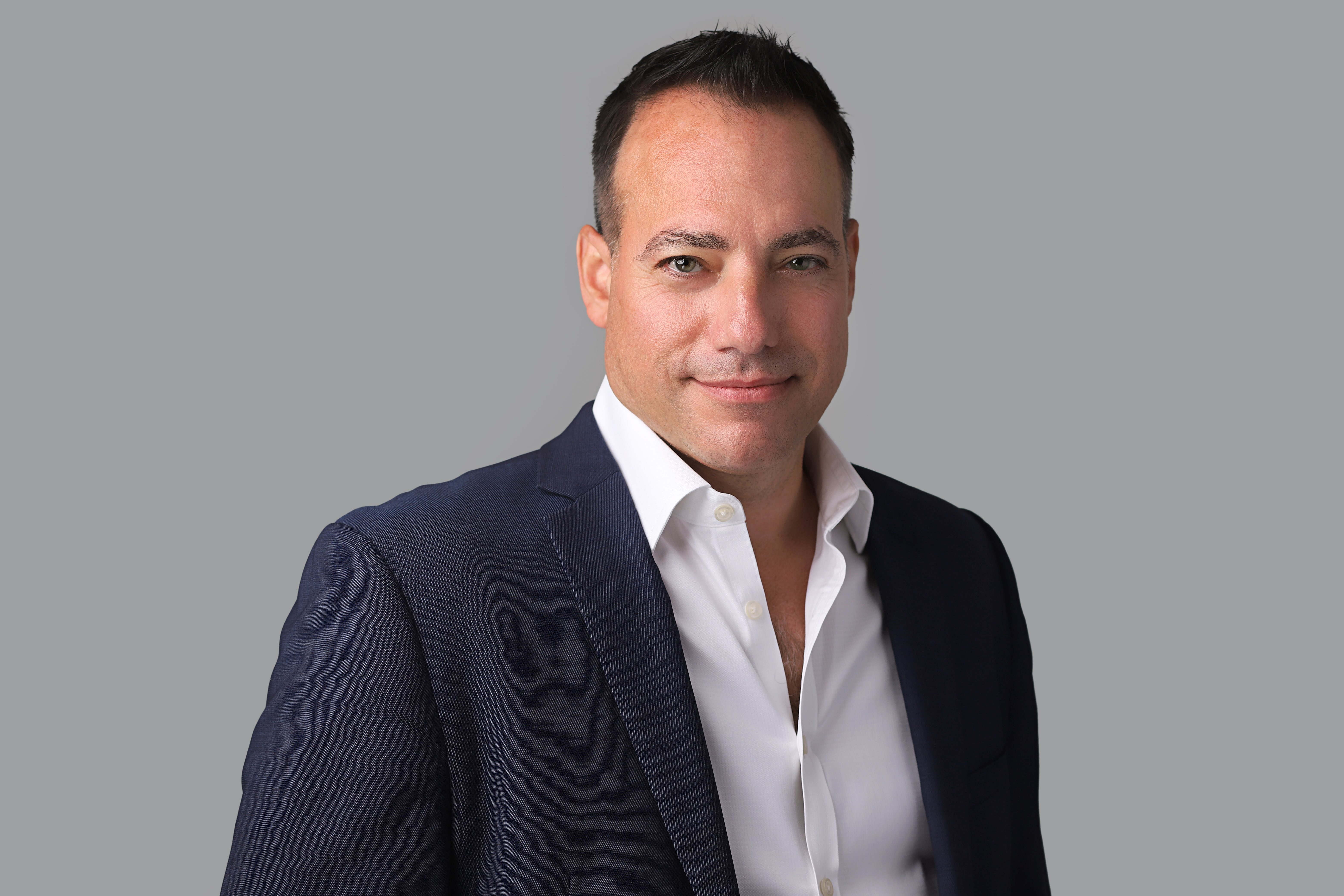
Gene Mack, Chief Executive Officer & President, Gain Therapeutics
Gene Mack is the Chief Executive Officer and President of Gain Therapeutics, a clinical-stage biotechnology company developing next-generation allosteric therapies for neurodegenerative diseases, rare genetic disorders, and oncology. Mack joined Gain in 2024, bringing more than 25 years of life sciences experience across clinical research, capital markets, investing, and corporate strategy. He holds a B.S. in Biochemistry and an M.B.A. in Finance from Fordham University.
In this Q&A, Mack discusses Gain's lead program in Parkinson's disease — a potential disease-modifying therapy called GT-02287 — the allosteric platform driving its pipeline, the realities of leading a clinical-stage company in a challenging biotech market, and what it will take to reach pivotal trials within the next three years.
July 13, 2026
The Company & The Science
Q1. In the simplest terms, what does Gain Therapeutics do — and why does it matter for patients?
Our mission is to improve patient outcomes in diseases where major unmet needs remain. At Gain, that mission is led by our Parkinson's disease program, where we are developing GT-02287 not as a symptomatic treatment, but as a disease-modifying therapy that targets the underlying biology of the disease.
Today, most neurodegenerative diseases — including Parkinson's — are managed primarily through symptom control while the disease itself continues to progress. We are focused on changing that. If successful, GT-02287 could slow disease progression, preserve motor and cognitive function longer, and give patients and families more time with a better quality of life. That is why this work matters.
Q2. What sets Gain's approach apart from others working in this space?
Our approach is designed to restore the proper function of proteins and enzymes that become impaired in disease. Rather than targeting a single downstream symptom or effect, we are working to address the broader biology that drives dysfunction — a more comprehensive and potentially more impactful strategy.
With GT-02287 in Parkinson's disease, we are working to stabilize and enhance the GCase enzyme across multiple cellular compartments, helping it function where it is needed most. By engaging more of the underlying biology, we believe we can create broader therapeutic benefit than approaches focused on symptom management alone.
Origin & Leadership
Q3. What led you to take the helm at Gain Therapeutics?
It was less a single defining moment and more an evolution. I joined Gain initially as CFO because the company needed strong capital markets expertise ahead of important clinical milestones. But I quickly became immersed in every aspect of the business — strategy, financing, operations, and the science itself.
As we approached a critical stage with the Phase 1b study, continuity became essential. I felt strongly that keeping momentum with someone who already understood the details was the best path forward. Ultimately, what convinced me was the opportunity: Gain has the potential to develop one of the first disease-modifying therapies for Parkinson's disease. That is a rare and meaningful opportunity, and one worth stepping forward for.
Q4. What has surprised you most about being a CEO in life sciences?
The breadth of the role. As CFO, you already touch many parts of an organization — but as CEO, you are responsible for helping every function succeed: science, operations, finance, communications, partnerships, culture, and strategy. You also learn quickly that success depends on the quality of the people around you.
You have to trust the strength of your teams, listen carefully, and make decisions with imperfect information. That leadership dynamic is both challenging and deeply rewarding.
Q5. How would you describe the culture you're building at Gain — and why does it matter for the science?
Collaborative, accountable, and mission-driven. Small biotech companies face real challenges every day, so you need a team that communicates clearly, moves quickly, and stays aligned around why this work exists. Titles matter less than execution and shared purpose.
At Gain, our team works closely together — often across functions — and everyone understands the stakes of what we are trying to accomplish for patients. That kind of culture is essential when you are a lean organization pursuing ambitious science.
Milestones & Challenges
Q6. What has been Gain's most important milestone to date — and what's next?
Our most important milestone has been successfully advancing GT-02287 into the clinic and through the Phase 1b study in Parkinson's patients. Moving from discovery into human studies is a major validation point for any biotech company. It demonstrates execution across science, manufacturing, regulatory strategy, and operations.
The next major milestone is building on the biomarker signals we have observed and validating those findings in our planned Phase 2 trial, currently targeted for the third quarter of 2026. That data will help us better understand how those biomarkers may predict clinical benefit — a critical step toward a pivotal study.
Q7. What is the biggest challenge Gain is facing right now?
Without question, access to capital. This biotech market has been one of the most challenging environments I have seen in my career. Investors are more selective, and companies need to earn conviction through data and disciplined execution.
We address that by staying focused on what creates value: strong science, smart study design, clear milestones, and consistent progress. We are also active in business development discussions and continue evaluating financing opportunities that support our next stage of growth. Ultimately, the best answer to a difficult market is compelling data — and that is where our energy remains focused.
Looking Ahead
Q8. Where do you see Gain in three years — and what has to go right to get there?
In three years, I would expect us to be running a pivotal study for GT-02287 in Parkinson's disease and preparing for the next regulatory steps toward potential approval.
To get there, we need to continue executing on our clinical plan, validating biomarkers, demonstrating meaningful patient benefit, and maintaining access to the capital and partnerships that support growth. If we do those things well, the opportunity ahead is significant.
Q9. What would you change about how the life sciences industry works today — and what still gives you optimism?
I would improve how innovation is financed. Early-stage biotech companies are often solving some of medicine's hardest problems, yet they can face financing structures that are short-term oriented and not always aligned with long-term value creation. Great science deserves patient, informed capital.
What gives me optimism is that technology and data ultimately win. Over the course of my career, I have watched diseases once considered untreatable become manageable because scientific progress kept moving forward. Markets are cyclical, but real innovation endures. If you stay honest with the data and committed to execution, progress follows.
About The Big4Bio CEO Weekly Q&A
Every Monday, Big4Bio spotlights a life sciences CEO from one of our eight coverage regions — Boston, San Francisco Bay Area, San Diego, Philadelphia, New York City, the Capital Region, Los Angeles, and Seattle. Each feature is promoted across all eight Big4Bio daily newsletters, reaching 30,000+ life sciences professionals. CEO participation is complimentary and editorial — every CEO approves the final Q&A before publication.
Are you a life sciences CEO or do you represent one? Contact Big4Bio editor Marie Daghlian at marie@big4bio.com to be considered for an upcoming feature.